
 ART SEARCH
 LOCATIONS
 COLOURS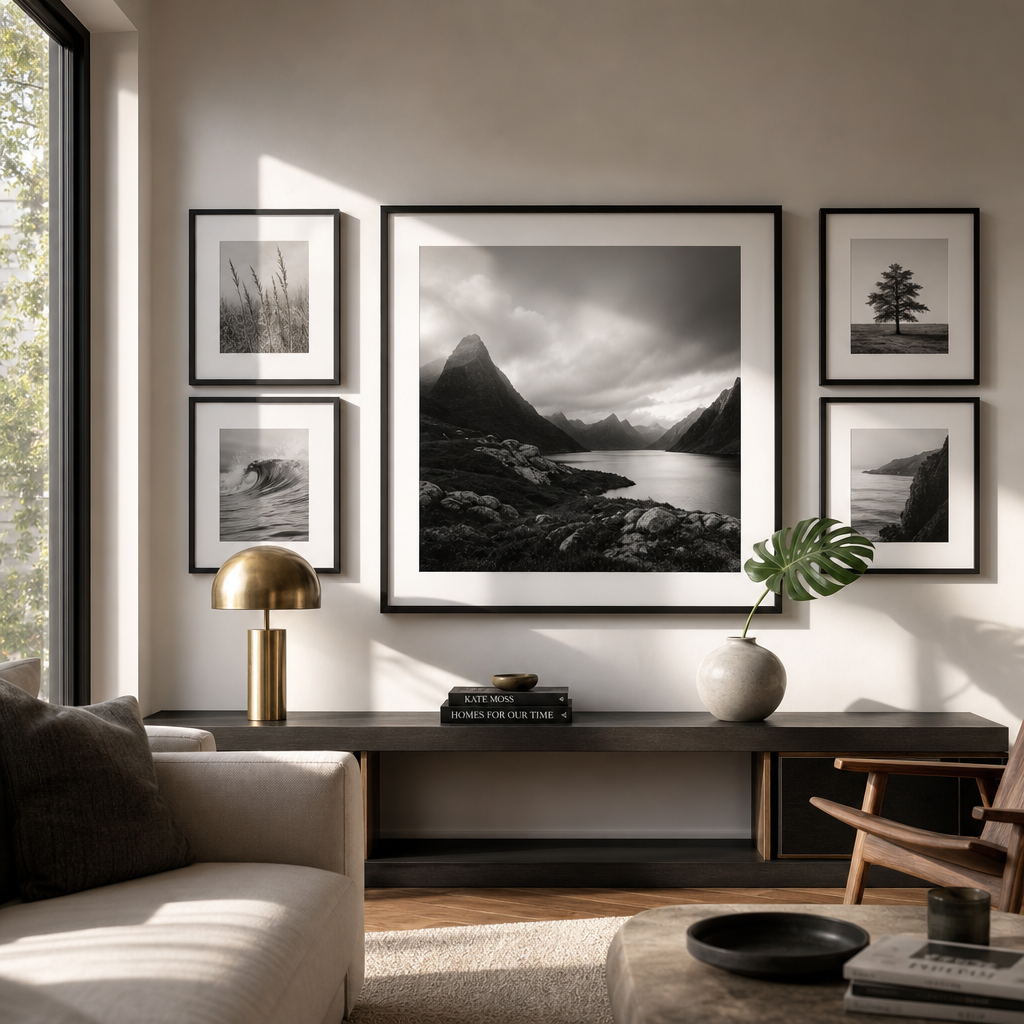
The Art of Smart Investing: How to Build a Fine Art Photography Collection That Appreciates
For centuries, art has been more than just a source of beauty and cultural expression—it has also served as a powerful investment vehicle. In recent years, fine art photography has emerged as an especially accessible and rewarding medium for collectors, offering both aesthetic pleasure and the potential for significant financial appreciation. Whether you are a seasoned investor or a first-time buyer, building a collection that grows in value requires strategy, patience, and a keen eye. At Hancock Gallery, we believe that art investment should be as inspiring as it is profitable. This guide will walk you through the essential steps to curating a fine art photography collection that stands the test of time.
Understanding the Market: Why Fine Art Photography?
Fine art photography occupies a unique space in the art world. Unlike paintings, which have a centuries-old history, photography as a fine art form gained serious traction only in the late 20th century. This relative newness means that the market is still evolving, offering opportunities for early adopters to acquire works from rising artists at accessible prices. Moreover, photography is inherently reproducible in limited editions, which creates scarcity without sacrificing quality. As digital art and NFTs disrupt traditional markets, physical fine art prints retain tangible value and authenticity, making them a stable choice for long-term investment. The global art market has shown consistent growth, with photography sales increasing by over 20% in the past decade, according to art market reports.
Key Factors That Drive Appreciation
Not every photograph will increase in value. To build a collection that appreciates, focus on these critical elements:
1. Artist Reputation and Trajectory: The most reliable predictor of future value is the artist's current and potential reputation. Look for photographers who have exhibited in reputable galleries, won awards, or been featured in major publications. Emerging artists with a strong, unique vision and growing social media presence can offer higher upside. Always research the artist's career trajectory and market demand.
2. Edition Size and Provenance: Limited edition prints are the gold standard. Smaller editions (e.g., 5 or 10 prints) are rarer and often command higher prices. Provenance—the documented history of ownership—adds credibility and traceability, which is crucial for resale. At Hancock Gallery, every artwork comes with a certificate of authenticity and detailed provenance information, ensuring your investment is secure.
3. Condition and Archival Quality: A photograph's physical condition directly impacts its value. Prints should be made on archival paper or materials, properly framed with UV-protective glass, and stored in climate-controlled environments. Poor handling can lead to fading, discoloration, or damage, reducing the artwork's worth. Always inspect the print personally or request detailed condition reports.
4. Market Timing and Trends: While it's impossible to predict exact market movements, certain themes and styles tend to gain popularity. For instance, landscape photography and abstract fine art have seen increased demand as home decor trends shift toward nature-inspired and minimalist aesthetics. Stay informed by following art fairs, auction results, and gallery exhibitions.
Building Your Collection: A Step-by-Step Approach
Start with a clear budget and a vision. Art investment is a long-term game, so avoid chasing short-term fads. Begin by acquiring one or two pieces from established artists that you genuinely love—emotional connection ensures you'll enjoy the artwork even if its market value fluctuates. Then, diversify by adding works from emerging photographers or different genres. Consider the size and medium: larger prints often have higher value but also higher storage costs. Finally, network with gallerists and other collectors. Galleries like Hancock Gallery offer expert advice and curated selections that align with your investment goals.
Integrating Art into Your Home: Aesthetic and Financial Benefits
One of the joys of art investment is that you can enjoy the pieces while they appreciate. Fine art photography enhances your living space, creating a sophisticated atmosphere that reflects your personal taste. Properly displayed, a striking photograph can become a conversation piece and increase the perceived value of your home. When choosing wall art for your home, consider the room's lighting, color palette, and scale. A well-placed piece not only boosts your daily enjoyment but also makes your property more attractive to potential buyers, should you ever sell. This dual benefit—aesthetic pleasure and financial return—makes fine art photography a uniquely rewarding investment.
Conclusion: Start Your Art Investment Journey Today
Building a fine art photography collection that appreciates is a journey of discovery, passion, and smart decision-making. By focusing on artist reputation, edition size, condition, and market trends, you can curate a portfolio that grows in value over time. Remember, the best investments are those you love—because even if the market shifts, you will always have a piece of beauty on your wall. Ready to take the first step? Explore the curated selection of fine art photography at Hancock Gallery today and discover works that combine artistic excellence with investment potential. Your future self will thank you.


